Cute Decoration Font: Infusing Festive Charm into Your Designs
When a project calls for more than just text—when it needs a spark of personality, a dash of whimsy, or a celebratory spirit—the right typeface becomes a crucial design asset. Cute Decoration Font is a dingbats font that steps into this role with a festive theme, offering a library of decorative elements rather than traditional letters. It’s a tool for visual storytelling, designed to add ornamental flair to a wide array of creative work.
Understanding the Visual Character
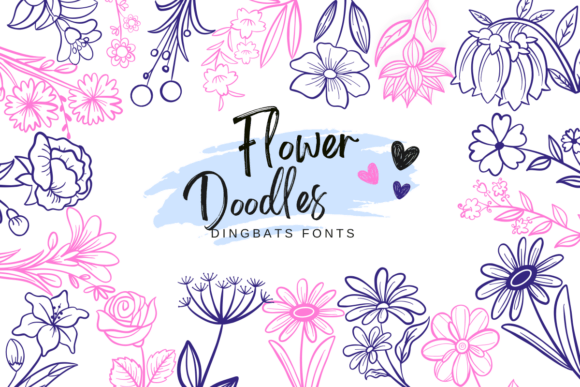
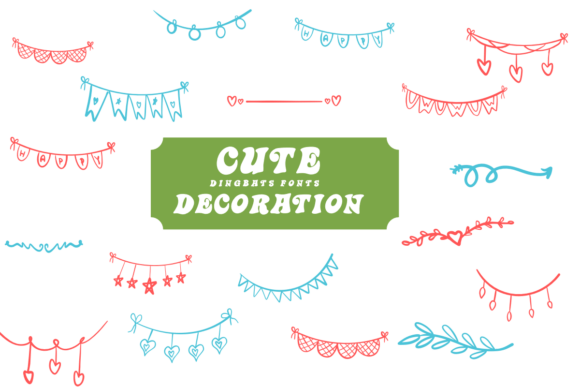
Unlike a standard serif font or a clean sans serif font, Cute Decoration Font doesn't communicate through words but through symbols. Its visual personality is inherently playful, ornamental, and joyful. Think of it as a curated collection of decorative dingbats: you might find delicate flourishes, simple floral motifs, geometric borders, celebratory icons like stars and hearts, or seasonal shapes. The style leans towards a friendly, approachable aesthetic. It avoids overly complex or edgy designs, focusing instead on elements that feel welcoming and versatile. This makes it a valuable creative font for projects where the goal is to evoke warmth, happiness, or a handcrafted feel.
Practical Applications Across Creative Fields
The true value of a typeface like Cute Decoration Font lies in its application. It’s not for body copy or lengthy paragraphs; its strength is in accentuation and decoration. Here’s where it can make a meaningful impact:
- Wedding & Event Invitations: This is a natural home. Use the font to create elegant dividers, ornamental corners, or small thematic icons on save-the-dates, RSVP cards, and menus. It can replace generic clipart, ensuring a consistent and unique visual language throughout the stationery suite.
- DIY & Craft Projects: For crafters, it’s a digital stamp set. Print out decorative elements to use on scrapbook pages, handmade gift tags, party banners, or custom stickers. It integrates seamlessly with cutting machines for vinyl decals or stencils.
- Branding & Logo Design: While not a primary logo font, it can serve as a supporting element. A small, distinctive decorative mark from the font can become a secondary brand asset, used on packaging, business cards, or social media templates to reinforce brand identity. It’s particularly effective for brands in the lifestyle, wedding, or artisanal product spaces.
- Editorial & Publishing Design: In magazines, newsletters, or blogs, use the dingbats as section breakers, pull-quote decorators, or chapter ornaments. They add visual interest without disrupting the flow of the primary text, which might be set in a classic serif or modern sans serif.
- Digital & Social Media Graphics: Elevate Instagram stories, Pinterest pins, or website banners with custom decorative elements. Using a consistent set of dingbats from Cute Decoration Font can create a recognizable visual rhythm for your digital content, boosting audience engagement.
- Packaging Design: For product packaging, especially for gifts, cosmetics, or food items, these decorative elements can frame product information, highlight features, or add a premium, giftable feel to the design.
The Strategic Impact on Design and Perception
Choosing to incorporate a decorative font like this goes beyond mere aesthetics; it influences how your audience perceives and interacts with your project.
Visual Hierarchy and Readability: Used correctly, decorative elements guide the viewer’s eye. A well-placed ornamental divider creates clear separation between sections, improving overall readability and structure. It’s about creating focal points that aren’t just bold text or larger fonts.
Brand Perception and Consistency: A consistent use of specific decorative motifs can become a signature part of a brand’s visual identity. It tells a story—perhaps one of craftsmanship, celebration, or approachability. This builds recognition and professionalism, showing attention to detail in every touchpoint.
Audience Engagement: Elements that feel personal and crafted, rather than generic, resonate more deeply. A custom border or icon can make a viewer feel like they’re holding something special, whether it’s a physical invitation or a digital newsletter. This emotional connection is a powerful driver of engagement.
Making an Informed Choice: Practical Guidance
Integrating any new design asset requires a thoughtful approach. Here’s how to evaluate and use Cute Decoration Font effectively.
- Evaluate Project Fit: First, consider the project’s tone. Is it formal or casual? Playful or sophisticated? The festive, friendly nature of this font fits best with projects that embrace warmth and creativity. It may not be the right choice for a corporate law firm’s annual report, but it could be perfect for a bakery’s packaging or a blogger’s media kit.
- Test Font Pairings: The decorative elements will almost always be paired with a primary typeface for text. Create mockups to see how they interact. Pair them with a clean, simple sans serif font for a modern look, or with a elegant script font for a more romantic feel. The key is contrast and balance—the decorations should complement, not compete with, your main text.
- Review Included Styles and Glyphs: Before purchasing, explore the full character map. Does the set include the specific motifs you envision? Are there variations in size or weight? A good premium font will offer a comprehensive set of glyphs that provides real design flexibility.
- Consider Readability in Context: Remember, these are ornaments. If used as a background pattern or border, ensure they don’t visually clutter the space or interfere with the legibility of essential information. White space is your ally.
- Understand Commercial Licensing: If you’re a small business owner, entrepreneur, or designer working for clients, this is critical. Verify that the font license allows for commercial use. This ensures you can legally use the assets in client projects, on products for sale, and in marketing materials without future issues. It’s a fundamental part of professional practice.
Ultimately, Cute Decoration Font is less a traditional typeface and more a toolkit for visual embellishment. Its power lies in its ability to inject a specific, festive personality into a design. By understanding its character, applying it with intention, and pairing it thoughtfully with your core typography, you can transform ordinary projects into memorable, engaging experiences that truly resonate with your audience. It’s a specialized asset that, when used well, becomes an indispensable part of your creative process.